The Forgotten Villages of Belize
Introduction
When people think about Belize, they usually imagine:
- turquoise water,
- island cocktails,
- overwater resorts,
- snorkeling,
- and beach towns like San Pedro or Placencia.
But beyond the tourism brochures and cruise ship advertisements lies another Belize entirely.
A quieter Belize.
A slower Belize.
A Belize made of fishing villages, jungle roads, riverside communities, Maya settlements, Garifuna culture, and places where life still moves with the rhythm of nature rather than the pressure of tourism.
These are the forgotten villages of Belize.
Not forgotten by the people who live there but overlooked by much of the modern travel industry.
And honestly, that may be part of what still makes them special.
Why Belize’s Small Villages Matter
The villages of Belize are where you often find:
- the strongest sense of community,
- the oldest traditions,
- the most authentic food,
- and the deepest connection to the land.
In many of these places:
- neighbors still know each other,
- fishermen still head out before sunrise,
- children still grow up close to rivers and jungle,
- and culture is not performed for tourism — it is simply lived.
These villages preserve parts of Belize that larger tourism hubs are slowly losing.
And while some travelers may see these destinations as “underdeveloped,” many locals see them differently:
peaceful, grounded, connected, and real.
1. Gales Point: The Village Between Lagoon and Sea
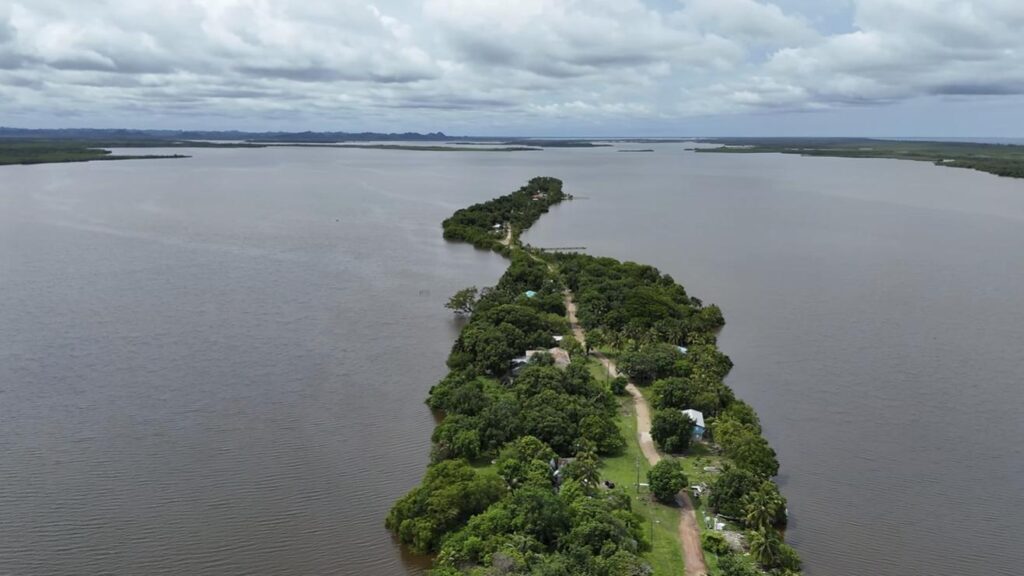
Located along Belize’s coastal wetlands, Gales Point is one of the country’s most isolated and culturally unique villages.
For years, reaching Gales Point meant navigating rough roads and long drives through mangrove regions. That isolation helped preserve the village’s identity.
Today, Gales Point remains known for:
- manatee sightings,
- fishing,
- drumming traditions,
- wildlife,
- and strong Creole culture.
The village sits between the Caribbean Sea and inland lagoons, creating an environment filled with:
- birds,
- mangroves,
- marine life,
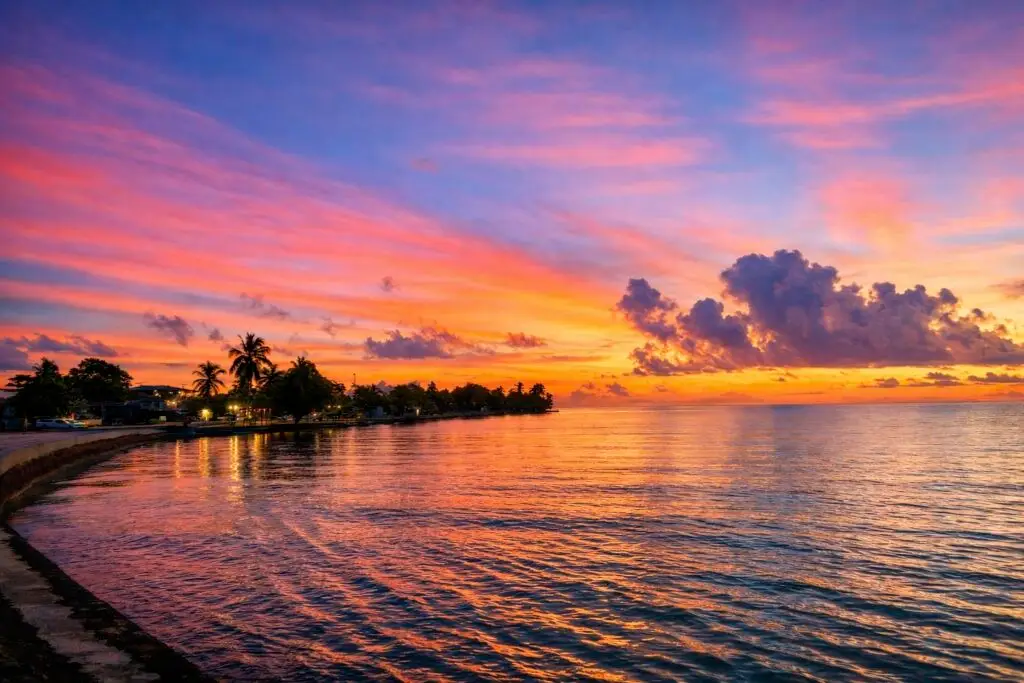
- and incredible sunsets.
Unlike commercial tourism hubs, Gales Point still feels deeply local.
People come here not for nightlife — but for:
- silence,
- wildlife,
- community,
- and nature.
2. Sarteneja: Belize’s Northern Fishing Soul
Near the northern coast of Belize lies Sarteneja, one of the country’s largest fishing villages.
For many Belizeans, Sarteneja represents resilience and hard work.
Fishing has shaped the identity of the village for generations, especially lobster and conch industries that helped support families and the local economy.
What makes Sarteneja fascinating is how disconnected it still feels from mass tourism despite its beauty.
You will not find:
- giant resorts,
- packed beach clubs,
- or large-scale tourism infrastructure.
Instead, you find:
- quiet roads,
- boats lining the shore,
- local bakeries,
- and some of the most peaceful ocean views in northern Belize.
Sarteneja also provides access to nearby marine environments and island areas that remain largely untouched compared to more developed cayes.
3. Monkey River: A Village Slowly Being Claimed by the Sea
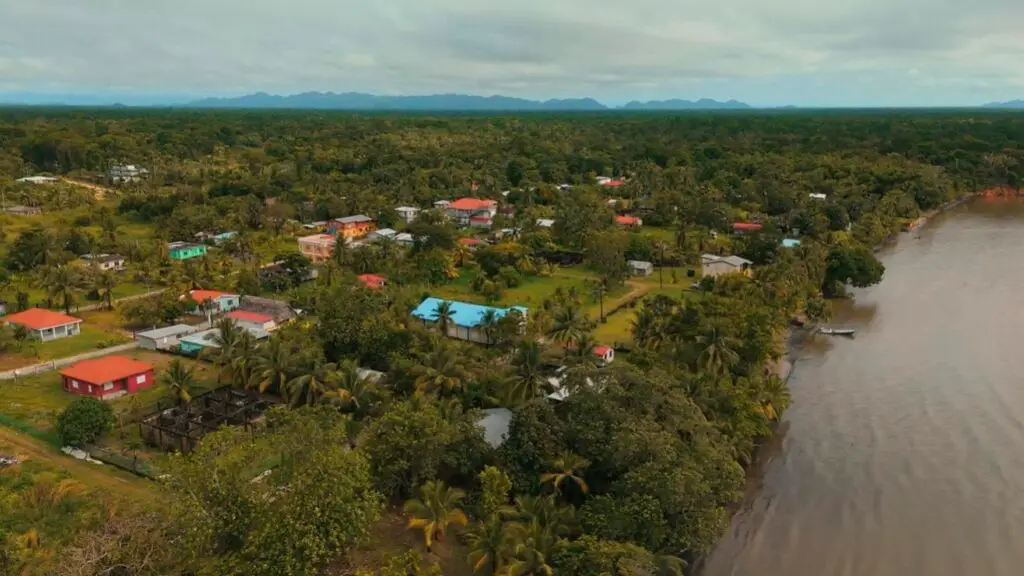
Monkey River is one of the most emotionally powerful villages in Belize.
Located in southern Belize near Placencia, the village was once an important trade and shipping area during the banana industry era.
But over time:
- economic shifts,
- coastal erosion,
- and changing industries affected the community deeply.
Today, Monkey River is often discussed as one of Belize’s most vulnerable coastal villages due to erosion and rising sea levels.
And yet despite these struggles, the village still holds beauty:
- river tours,
- howler monkeys,
- manatees,
- birds,
- and incredible rainforest scenery.
There is something haunting and beautiful about Monkey River.
It feels like a reminder that Belize is not just paradise postcards it is also real communities adapting to environmental and economic change.
4. Barranco: Belize’s Southern Edge
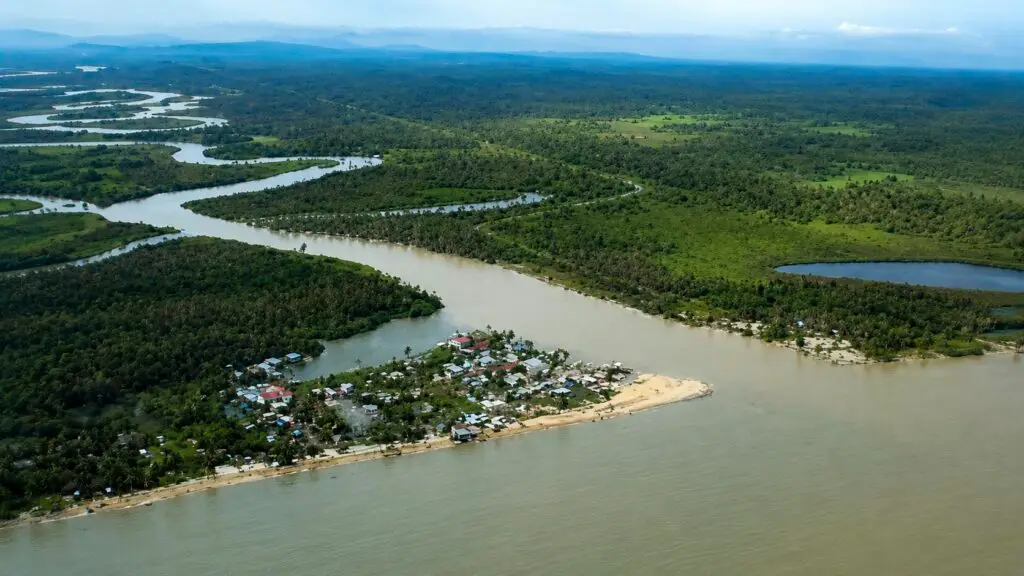
Barranco is the southernmost village in Belize and one of the country’s least talked-about communities.
This Garifuna village carries deep cultural importance despite its small size.
Life here feels remote in the best possible way.
Surrounded by:
- jungle,
- coastline,
- rivers,
- and farmland,
Barranco offers a glimpse into a slower Belize that many travelers never experience.
The village reflects both Garifuna and Maya influences and remains heavily tied to:
- farming,
- fishing,
- and community life.
Few tourism platforms truly document Barranco in depth.
Which is exactly why it matters.
Places like this hold cultural memory that larger tourism destinations sometimes lose over time.
5. San Antonio: The Maya Heart of Cayo
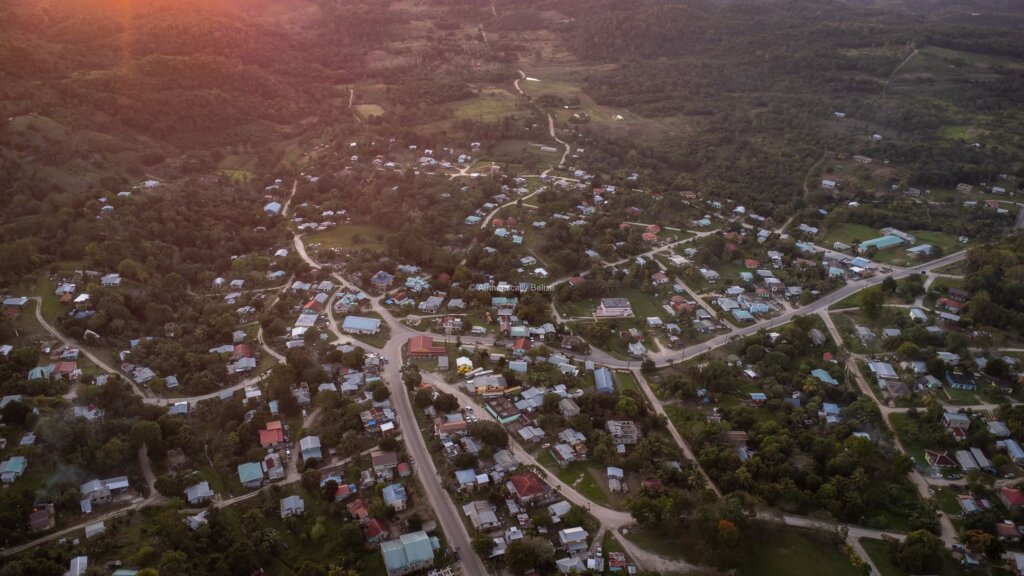
Located in the Cayo District near San Ignacio, San Antonio is one of Belize’s strongest Maya communities.
The village is surrounded by:
- hills,
- farms,
- caves,
- rivers,
- and archaeological regions.
Unlike Belize’s coastal tourism areas, San Antonio introduces travelers to inland Belizean life and Maya traditions.
Visitors can experience:
- traditional cooking,
- cacao culture,
- pottery,
- handicrafts,
- and local farming culture.
The village is also close to important sites like:
- Actun Tunichil Muknal (ATM Cave),
- Barton Creek,
- and various jungle lodges.
San Antonio reminds people that Belize is not just Caribbean coastline it is also deeply connected to the Maya world.
6. Crooked Tree: The Birdwatching Capital Few People Truly Explore
Most travelers pass through Crooked Tree quickly without realizing how ecologically important it is.
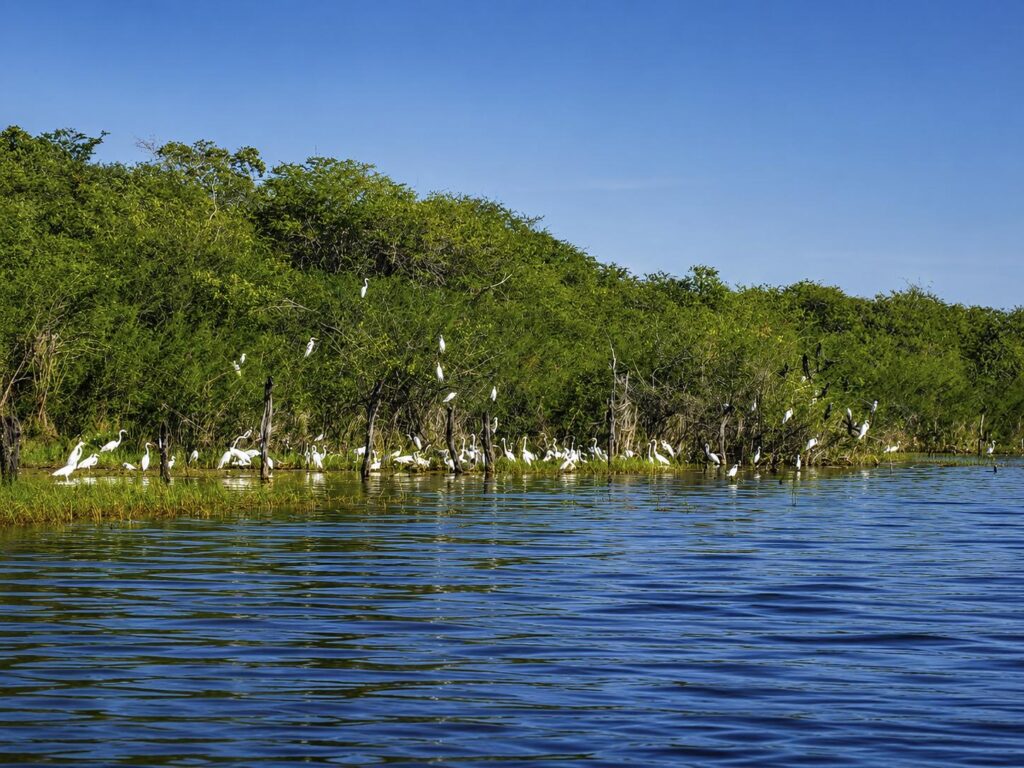
Located northwest of Belize City, Crooked Tree is surrounded by wetlands and lagoons that attract hundreds of bird species throughout the year.
For birdwatchers and nature lovers, it is one of Belize’s hidden treasures.
But beyond wildlife, Crooked Tree represents rural Belizean life:
- boats tied along the lagoon,
- local fishing culture,
- small community gatherings,
- and quiet evenings surrounded by nature.
The village becomes especially important during rainy seasons when surrounding waters rise dramatically and reshape the landscape entirely.
Why These Villages Matter More Than Ever
Belize is changing rapidly.
Tourism development, foreign investment, social media exposure, and rising land demand are transforming parts of the country quickly.
Some changes bring opportunity.
Others bring pressure.
And in the middle of all of this, smaller villages are trying to preserve:
- identity,
- culture,
- language,
- land,
- and community connection.
That is why documenting these places matters.
Not just for tourism.
But for memory.
The Future of Belize’s Forgotten Villages
Some of these communities may eventually grow through:
- eco-tourism,
- cultural tourism,
- remote work migration,
- conservation,
- or infrastructure expansion.
Others may remain quiet and isolated for years.
But one thing is certain:
These villages hold pieces of Belize that cannot be replicated inside resorts.
And as the world becomes more commercialized, authentic places become more valuable emotionally, culturally, and historically.
The forgotten villages of Belize are not “lesser” destinations.
In many ways, they are the foundation of the country’s identity.
They preserve:
- stories,
- traditions,
- landscapes,
- and ways of living that shaped Belize long before tourism arrived.
And for travelers willing to go beyond the main tourist routes, these villages offer something increasingly rare in modern travel:
A chance to experience Belize as it truly is.
Not curated.
Not manufactured.
Just real.
The forgotten villages of Belize are smaller rural communities that are often overlooked by mainstream tourism but preserve authentic Belizean culture, history, nature, and local traditions.
Belize’s villages allow travelers to experience:
- local culture,
- traditional food,
- wildlife,
- community life,
- and untouched natural beauty.
They provide a deeper understanding of Belize beyond beaches and resorts.
Most villages in Belize are peaceful and community-oriented. Travelers should still use common sense, respect local customs, and prepare properly when visiting remote areas.
Villages like Barranco and Monkey River are considered among the more remote communities due to their southern coastal locations and smaller populations.